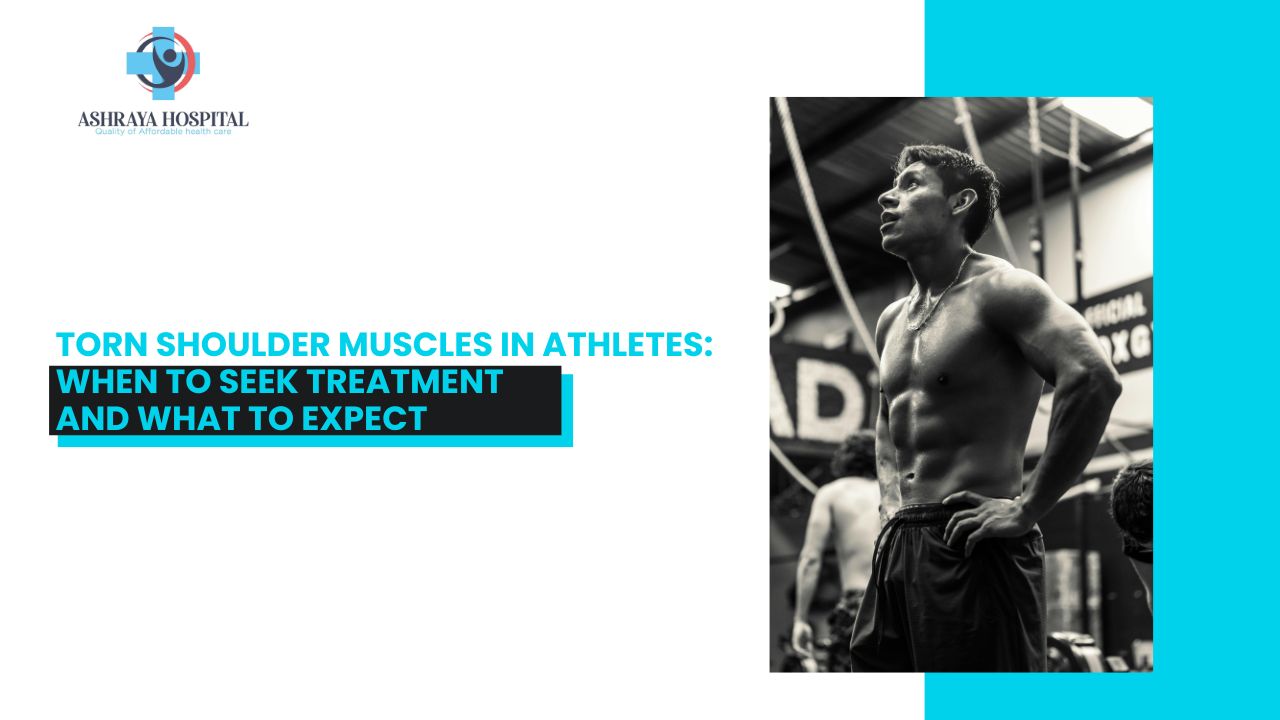



Shoulder injuries are among the most common problems faced by athletes, particularly those involved in sports that require repetitive overhead movements. Activities such as cricket, tennis, swimming, and weightlifting can place significant stress on the shoulder joint, increasing the risk of muscle tears and tendon inflammation.
When left untreated, these injuries can affect performance, limit mobility, and interfere with everyday activities. Understanding the available treatment for torn shoulder muscle injuries and tendon inflammation can help athletes recover safely and return to their sport with confidence.
A torn shoulder muscle occurs when muscle fibers are stretched beyond their capacity, resulting in a partial or complete tear. This can happen suddenly due to a fall or collision, or gradually from repetitive strain.
Athletes who frequently perform overhead motions are particularly vulnerable to shoulder injuries because of the continuous stress placed on the muscles and tendons that stabilize the joint.
Tendon inflammation occurs when the tendons become irritated or overloaded. Over time, repetitive movements can lead to pain, swelling, and reduced function.
In many cases, tendon inflammation affects the rotator cuff, a group of muscles and tendons responsible for shoulder stability and movement. If not addressed early, inflammation can contribute to more significant shoulder injuries.
Several factors can increase the risk of sports-related shoulder injuries, including:
Recognizing these risk factors can help athletes take preventive measures and reduce the likelihood of injury.
Persistent shoulder pain is often one of the earliest signs of injury. Athletes may notice discomfort while throwing, lifting, or rotating the arm. Weakness in the shoulder can also make routine movements more challenging.
A common symptom of shoulder injury is a decrease in range of motion. Individuals may find it difficult to reach overhead, fasten clothing behind their back, or perform sports-specific movements comfortably.
Loss of range of motion can significantly affect athletic performance and may worsen if treatment is delayed.
Additional symptoms may include:
Diagnosis begins with a detailed discussion of symptoms, sports participation, and previous injuries. Understanding how the injury occurred can help guide treatment decisions.
A rotator cuff physical exam is an important part of the evaluation process. During the examination, specialists assess shoulder strength, stability, flexibility, and pain patterns.
Specific movements and resistance tests can help identify whether the rotator cuff or surrounding structures have been affected.
Imaging studies such as X-rays, ultrasound, or MRI scans may be recommended to confirm the diagnosis and determine the extent of muscle or tendon damage.
Many athletes recover successfully with non-surgical care. Initial treatment may include:
Early intervention can often prevent the injury from becoming more severe.
Physical therapy plays a key role in recovery. Rehabilitation programs focus on improving flexibility, rebuilding strength, and restoring normal range of motion.
A structured rehabilitation plan can also help athletes return to sports gradually while minimizing the risk of re-injury.
Rotator cuff treatment depends on the severity of the injury. Mild cases may respond well to physical therapy and activity modification, while more significant injuries may require longer rehabilitation.
Treatment plans are tailored to the athlete's age, activity level, symptoms, and recovery goals.
Surgery may be recommended for:
The goal of surgery is to repair damaged tissue and restore shoulder stability and function.
While not all injuries can be prevented, athletes can reduce their risk by:
Early attention to symptoms can often prevent minor problems from progressing into more serious injuries.
Torn shoulder muscles and tendon inflammation can have a significant impact on athletic performance and daily activities. However, timely diagnosis and appropriate treatment can support a successful recovery. Whether through rehabilitation, activity modification, or advanced rotator cuff treatment, addressing symptoms early can help restore shoulder function and improve long-term outcomes.
Persistent shoulder pain, weakness, or reduced range of motion should never be ignored. At Ashraya Multispeciality Hospital, our orthopedic specialists provide comprehensive evaluation and treatment for torn shoulder muscles, tendon inflammation, and other sports-related shoulder injuries.
From accurate diagnosis and rotator cuff physical exams to personalized rehabilitation plans, we help athletes recover safely and return to the activities they love. Book your consultation today!