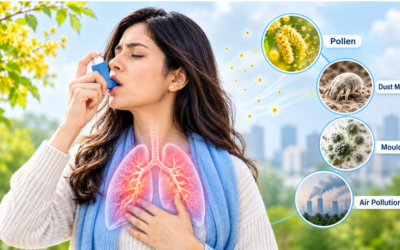
As the monsoon season comes to an end, changing weather conditions can bring several respiratory health challenges. Fluctuating temperatures, increased dust exposure, indoor dampness and changing air quality may contribute to coughing, throat irritation and respiratory infections.
While a mild cough often improves on its own, a cough that persists, worsens or occurs alongside other symptoms may indicate an underlying respiratory problem.
People with asthma, COPD, weakened immunity and existing lung conditions may be particularly vulnerable to respiratory infections during seasonal transitions. Older adults and young children may also require additional attention.
Understanding the possible causes of a persistent cough and recognising warning signs can help prevent complications and support timely treatment.
Why Do Respiratory Problems Increase After the Monsoon?
The post-monsoon period brings changes in humidity, temperature and environmental conditions. Damp walls, indoor mould, dust and poor ventilation can contribute to respiratory irritation.
Respiratory infections may also spread through close contact with infected individuals, particularly in crowded places such as offices, schools and public transport.
For people with sensitive airways, these environmental changes can trigger coughing, wheezing and breathing discomfort. Those with asthma or COPD may experience worsening symptoms following an infection.
Paying attention to how long a cough lasts and whether additional symptoms develop is important for understanding when medical evaluation may be necessary.
Is Every Persistent Cough a Chest Infection?
Not necessarily. A cough can develop for several reasons, and identifying the underlying cause is essential for appropriate treatment.
Common causes include:
- Viral infections: A cough may continue even after other cold symptoms have improved.
- Allergies: Dust, pollen and mould can irritate the airways and trigger repeated coughing.
- Bronchitis: Inflammation of the bronchial airways can cause coughing and mucus production.
- Pneumonia: An infection affecting the lung tissue may cause cough, fever and breathing difficulties.
- Asthma: Sensitive and inflamed airways can lead to recurring coughing, particularly at night.
- Acid reflux: Stomach acid moving towards the throat can sometimes cause persistent coughing.
Repeatedly using cough syrups or antibiotics without identifying the cause may not provide the right solution.
A cough is a symptom, not a diagnosis.
When Should You Be Concerned About a Cough?
A mild cough associated with a common cold may gradually improve as the infection settles. However, certain symptoms indicate that medical evaluation is important.
Watch out for:
- Persistent or worsening cough
- Fever that continues or returns
- Wheezing or chest tightness
- Breathlessness during routine activities
- Chest pain while coughing or breathing
- Excessive mucus production
- Blood in the cough
Coughing up blood requires prompt medical assessment. Sudden or severe breathing difficulty, bluish lips, confusion or severe chest pain requires emergency medical attention.
Older adults may sometimes develop respiratory infections without a noticeable fever. Unusual weakness, confusion, reduced appetite or increasing breathlessness can also be warning signs.
Bronchitis and Pneumonia: Understanding the Difference
Bronchitis and pneumonia are respiratory conditions that can cause coughing, but they affect different parts of the respiratory system.
Bronchitis involves inflammation of the bronchial tubes that carry air into the lungs. It commonly causes coughing, mucus production and chest discomfort. Acute bronchitis is frequently associated with viral infections.
Pneumonia is an infection that affects the lung tissue and air sacs. It may be caused by bacteria, viruses or other microorganisms. Common symptoms include fever, cough, fatigue, chest pain and difficulty breathing.
Pneumonia can become serious, particularly among older adults, young children and people with existing medical conditions.
Early diagnosis and appropriate treatment are important to reduce the risk of complications.
How Can Asthma and COPD Make Respiratory Infections Worse?
People with chronic respiratory conditions may experience more severe symptoms when they develop an infection.
In individuals with asthma, respiratory infections can trigger increased airway inflammation, coughing, wheezing and chest tightness.
People with Chronic Obstructive Pulmonary Disease (COPD) may experience worsening breathlessness, increased mucus production and persistent coughing.
These changes should not be dismissed as ordinary seasonal discomfort.
Patients should continue following their prescribed treatment and consult their doctor if symptoms become more frequent or difficult to control.
Should You Take Antibiotics for a Persistent Cough?
Antibiotics are not necessary for every cough or respiratory infection.
Many respiratory infections are caused by viruses, and antibiotics do not treat viral illnesses. Unnecessary antibiotic use can contribute to antibiotic resistance and cause unwanted side effects.
A doctor may recommend antibiotics when a bacterial infection is suspected or diagnosed.
The appropriate treatment depends on the patient’s symptoms, examination and medical history. Avoid self-medication or starting antibiotics without professional advice.
7 Simple Ways to Protect Your Respiratory Health
Although respiratory infections cannot always be prevented, certain everyday habits can help reduce exposure to harmful irritants and infectious agents.
- Maintain indoor cleanliness: Keep living spaces clean and address dampness or visible mould.
- Ensure proper ventilation: Allow fresh air to circulate inside your home.
- Avoid smoking: Stay away from tobacco smoke and second-hand smoke.
- Practise hand hygiene: Wash your hands regularly, especially after visiting crowded places.
- Avoid close contact during infections: Take reasonable precautions when someone around you is unwell.
- Maintain healthy habits: Get adequate sleep, eat balanced meals and remain physically active.
- Follow medical advice: Continue prescribed medication if you have asthma, COPD or another respiratory condition.
These simple measures can support better respiratory health and reduce avoidable exposure.
When Should You Consult a Pulmonologist?
A pulmonologist specialises in diagnosing and managing diseases affecting the lungs and respiratory system.
Consider consulting a pulmonologist if you experience a cough that persists, repeatedly returns or is accompanied by wheezing, chest tightness or breathlessness.
People with asthma, COPD, bronchiectasis and other chronic lung conditions should also seek medical advice when their usual symptoms change.
Depending on the suspected condition, investigations may include:
- Chest X-rays or other imaging
- Blood investigations
- Spirometry
- Pulmonary function tests
- Other specialised respiratory assessments
The objective is to identify the underlying cause and develop an appropriate treatment plan rather than simply suppressing the cough.
At Ashraya Multispeciality Hospital, Wakad, Pune, pulmonology services provide evaluation and management for respiratory infections, bronchitis, pneumonia, asthma, COPD, chronic cough and other lung conditions.
Final Word: Don’t Ignore a Cough That Keeps Coming Back
A cough after the monsoon may initially seem like a minor seasonal problem. However, persistent coughing, recurring fever, wheezing and unexplained breathlessness deserve proper medical attention.
If the same symptoms return every season or begin affecting your sleep and daily activities, it is important to understand the underlying cause.
At Ashraya Multispeciality Hospital, Wakad, Pune, experienced pulmonology specialists provide comprehensive respiratory evaluation and appropriate treatment to support better lung health.
Don’t Ignore a Persistent Cough. Recognise the Symptoms, Seek Timely Care and Take a Step Towards Healthier Breathing.
Recent Posts
-
 Post-Monsoon Respiratory Problems: How Seasonal Changes Affect Your Lung Health
-
 Post-Monsoon Cough and Chest Infections: When Does a Simple Cough Need Medical Attention?
-
 World Heart Day: Recognise the Warning Signs of Heart Problems Before They Become an Emergency
-
 Post-Monsoon Respiratory Infections: Why September Can Trigger Cough, Cold and Breathing Problems
-
 Menopause: Understanding Symptoms, Treatment and Ways to Improve Your Quality of Life