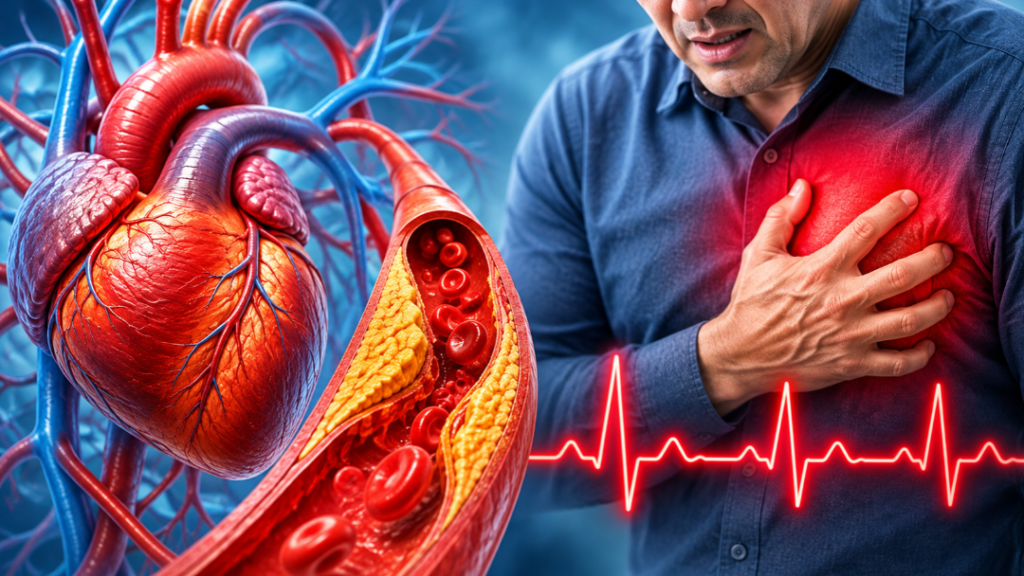
Heart health is an important part of overall well-being, yet many people tend to overlook early warning signs of cardiovascular problems. Mild chest discomfort, unusual tiredness or breathlessness may seem like temporary issues, but sometimes they can indicate an underlying heart condition.
Observed every year on September 29, World Heart Day raises awareness about cardiovascular diseases and encourages people to take preventive steps towards better heart health.
Heart problems do not always begin with severe chest pain. In some individuals, particularly women, older adults and people with diabetes, symptoms may be less obvious.
Understanding the warning signs, recognising risk factors and seeking timely medical attention can help prevent serious complications.
At Ashraya Multispeciality Hospital, Wakad, Pune, awareness about heart health is an important part of encouraging people to prioritise preventive healthcare and seek appropriate medical guidance.
Why Is Heart Health Important?
The heart is one of the most important organs in the human body. It continuously pumps oxygen-rich blood to different organs and tissues, helping the body function properly.
Healthy blood vessels and normal heart function are essential for maintaining good cardiovascular health.
However, conditions such as coronary artery disease, high blood pressure, irregular heart rhythms and heart failure can affect the heart’s ability to function effectively.
Several factors influence cardiovascular health, including age, family history, blood pressure, cholesterol, blood sugar, physical activity, diet and smoking habits.
While some risk factors cannot be changed, many can be managed through healthy lifestyle choices and regular medical check-ups.
What Are the Early Warning Signs of Heart Problems?
Heart-related symptoms can vary depending on the underlying condition. Some people experience noticeable discomfort, while others develop symptoms gradually.
Common warning signs include:
- Chest discomfort: Pressure, tightness, heaviness or pain in the chest.
- Breathlessness: Difficulty breathing during physical activity or even at rest.
- Pain spreading to other areas: Discomfort in the arms, shoulders, neck, jaw or back.
- Unusual sweating: Sudden sweating without an obvious reason.
- Dizziness: Feeling light-headed or experiencing fainting episodes.
- Unusual fatigue: Persistent tiredness or weakness that is not typical for you.
- Nausea: Feeling sick, sometimes accompanied by chest discomfort.
These symptoms do not always indicate heart disease, but they should be taken seriously, particularly when they appear suddenly or together.
Heart Attack Symptoms Are Not Always Obvious
Many people associate a heart attack with severe chest pain. However, the symptoms are not always dramatic.
Some individuals may experience mild chest pressure, breathlessness, nausea, unusual fatigue or discomfort in the upper body.
Women, older adults and people with diabetes may sometimes experience less typical symptoms.
This can lead to delays in recognising a heart attack and seeking treatment.
If you experience new or unexplained chest discomfort, especially with sweating, breathlessness or pain spreading to the arm or jaw, seek emergency medical attention immediately.
Do not wait for symptoms to disappear or attempt to diagnose the problem yourself.
High Blood Pressure: A Silent Threat to Heart Health
High blood pressure, also known as hypertension, is one of the major risk factors for cardiovascular disease.
It is often called a silent condition because many people experience no noticeable symptoms even when their blood pressure is elevated.
Uncontrolled hypertension can damage blood vessels over time and increase the risk of heart attack, stroke and other complications.
Regular blood-pressure monitoring is important, particularly for individuals with diabetes, obesity or a family history of hypertension.
If your readings are consistently elevated, consult a doctor for appropriate evaluation and management.
How Does High Cholesterol Affect the Heart?
Cholesterol is a fatty substance that the body needs for various functions. However, excessive LDL cholesterol can contribute to plaque formation inside the arteries.
This process, known as atherosclerosis, can narrow the blood vessels and restrict blood flow to the heart.
A lipid profile helps assess different types of cholesterol and triglycerides.
Doctors may consider these results alongside blood pressure, diabetes, smoking habits, age and family history to understand an individual’s cardiovascular risk.
Regular monitoring and appropriate treatment can help reduce the risk of complications.
Diabetes and Heart Disease: Understanding the Connection
People with diabetes have an increased risk of developing cardiovascular disease.
Persistently elevated blood sugar can damage blood vessels and contribute to conditions affecting the heart and circulation.
The risk may increase further when diabetes occurs alongside high blood pressure, abnormal cholesterol levels, obesity or smoking.
People with diabetes should prioritise regular health assessments, monitor their blood sugar and follow their prescribed treatment.
Managing multiple risk factors together is an important part of protecting long-term heart health.
7 Simple Ways to Keep Your Heart Healthy
Protecting your heart does not require complicated lifestyle changes. Consistent daily habits can make a meaningful difference.
- Eat a balanced diet: Include fruits, vegetables, whole grains, pulses and other nutritious foods. Limit excessive salt, added sugar and highly processed foods.
- Stay physically active: Aim for regular physical activity suited to your age and health condition.
- Avoid smoking: Tobacco damages blood vessels and significantly increases cardiovascular risk.
- Monitor blood pressure: Regular checks can help identify hypertension before complications develop.
- Manage cholesterol and blood sugar: Follow medical advice and complete recommended investigations.
- Maintain healthy sleep habits: Aim for adequate, consistent sleep and seek advice if you experience persistent sleep problems.
- Manage stress: Make time for relaxation, hobbies and activities that support emotional well-being.
If you have an existing medical condition or have been physically inactive for a long time, consult your doctor before starting an intensive exercise routine.
Why Are Regular Heart Health Check-Ups Important?
Many cardiovascular risk factors develop without noticeable symptoms. A person may feel healthy while having elevated blood pressure, abnormal cholesterol or high blood sugar.
Regular health check-ups can help identify these concerns and allow timely medical intervention.
Depending on your age, symptoms and risk factors, your doctor may recommend:
- Blood pressure measurement
- Blood sugar testing
- Lipid profile
- Electrocardiogram (ECG)
- Echocardiography
- Other cardiac investigations when clinically indicated
Not everyone requires every test. The appropriate investigations depend on individual medical history and clinical assessment.
When Should You Seek Emergency Medical Attention?
Never ignore sudden or unexplained chest discomfort, especially when accompanied by breathlessness, cold sweating, nausea, dizziness or pain spreading to the arm, jaw or back.
These symptoms may indicate a heart attack or another serious medical emergency.
Call emergency medical services immediately. Do not delay treatment or drive yourself to the hospital.
Early medical attention is important because timely diagnosis and treatment can help reduce the risk of serious heart damage.
Make Heart Health a Priority with Ashraya Multispeciality Hospital, Wakad, Pune
Heart health requires more than occasional medical check-ups. Understanding your risk factors, recognising warning signs and following appropriate medical advice are essential for long-term cardiovascular well-being.
At Ashraya Multispeciality Hospital, Wakad, Pune, patients are encouraged to prioritise preventive healthcare and seek timely medical evaluation for health concerns.
Whether it is understanding blood pressure, monitoring diabetes, assessing cholesterol or recognising symptoms that require further investigation, taking the right steps early can make a difference.
Final Word: Listen to Your Heart, Protect Your Health
World Heart Day reminds us that heart health should never be taken for granted.
Chest discomfort, unusual fatigue, breathlessness and dizziness may sometimes be signs of an underlying cardiovascular problem. Recognising these symptoms and seeking timely medical attention can help prevent avoidable complications.
Do not wait for a serious health event to start caring for your heart. Make healthier choices, attend regular check-ups and pay attention to what your body tells you.
This World Heart Day, take a step towards a healthier heart. Prevention, awareness and timely medical care can make a difference.
Recent Posts
-
 Post-Monsoon Respiratory Problems: How Seasonal Changes Affect Your Lung Health
-
 Post-Monsoon Cough and Chest Infections: When Does a Simple Cough Need Medical Attention?
-
 World Heart Day: Recognise the Warning Signs of Heart Problems Before They Become an Emergency
-
 Post-Monsoon Respiratory Infections: Why September Can Trigger Cough, Cold and Breathing Problems
-
 Menopause: Understanding Symptoms, Treatment and Ways to Improve Your Quality of Life