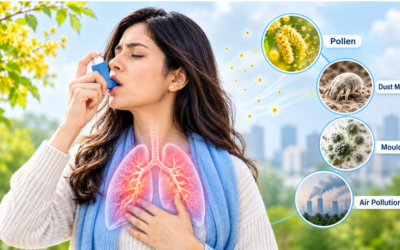
As the monsoon season gradually comes to an end, changing weather conditions can bring several respiratory health challenges. Fluctuating temperatures, increased dust exposure, indoor dampness and seasonal infections may contribute to coughing, sneezing, throat irritation and breathing difficulties.
For some people, these symptoms are temporary and improve with time. However, recurring cough, persistent nasal congestion, wheezing or unexplained breathlessness may indicate an underlying respiratory condition that requires medical attention.
September is an important time to pay attention to lung health, particularly for people with asthma, COPD, allergies or a history of respiratory infections.
Understanding common post-monsoon respiratory problems, recognising their warning signs and seeking timely medical advice can help protect your respiratory health.
Why Do Respiratory Problems Increase During Seasonal Changes?
Our respiratory system constantly interacts with the surrounding environment. Changes in temperature, humidity, air quality and exposure to airborne irritants can influence how our airways respond.
During the monsoon, moisture can accumulate in homes, offices and other enclosed spaces. Damp walls, wet furniture and poorly ventilated rooms may encourage mould growth.
People also tend to spend more time indoors during rainy weather. Poor ventilation can increase exposure to dust, mould and infectious particles.
Some common environmental triggers include:
- Indoor mould: Damp environments encourage mould growth, which may trigger respiratory irritation.
- Dust and pollution: Airborne particles can affect people with sensitive airways.
- Temperature fluctuations: Sudden changes may worsen symptoms in people with asthma.
- Seasonal allergens: Pollen and dust mites can trigger allergic reactions.
- Respiratory infections: Viral and bacterial infections can affect the upper and lower respiratory systems.
These factors do not affect everyone equally. People with existing respiratory conditions may experience more noticeable symptoms.
Is It a Common Cold, Allergy or Respiratory Infection?
A blocked nose, sneezing and coughing do not always indicate the same condition. Several respiratory problems can produce similar symptoms.
Common Cold: Usually caused by viruses, a common cold may produce a runny nose, sneezing, sore throat, mild fever and cough.
Seasonal Allergies: Common symptoms include repeated sneezing, itchy eyes, nasal congestion and watery nasal discharge. Fever is generally absent in uncomplicated allergies.
Asthma: This condition can cause recurring coughing, wheezing, chest tightness and breathlessness. Symptoms may worsen at night, during exercise or after exposure to certain triggers.
Respiratory Infections: Infections affecting the respiratory system may cause persistent coughing, fever, fatigue, mucus production and breathing discomfort.
Because these symptoms can overlap, persistent or worsening problems should be evaluated rather than repeatedly treated with over-the-counter medicines.
When Should You Be Concerned About a Persistent Cough?
A cough is a natural protective reflex that helps clear irritants and mucus from the airways. However, a cough that continues for several weeks or repeatedly returns deserves medical attention.
Consult a doctor if you experience:
- A cough that does not gradually improve.
- Repeated episodes of wheezing.
- Breathlessness during routine activities.
- Persistent chest tightness.
- Fever that continues or returns.
- Excessive mucus production.
- Coughing that frequently disturbs your sleep.
- Blood in your cough.
Coughing up blood requires prompt medical evaluation. Sudden or severe breathing difficulty, bluish lips, confusion or severe chest pain requires emergency medical attention.
Why Do People With Asthma Need Extra Care?
Asthma is a chronic respiratory condition involving inflammation and narrowing of the airways. Environmental changes, allergens and respiratory infections can trigger or worsen symptoms.
During seasonal transitions, people with asthma may notice increased coughing, wheezing, chest tightness and difficulty breathing.
Some individuals experience symptoms mainly at night or early in the morning, while others notice breathing difficulties during physical activity.
Recurring symptoms may indicate that asthma is not adequately controlled.
Following a prescribed treatment plan, using inhalers correctly and attending regular medical appointments are important parts of asthma management.
Patients should not stop prescribed medication or change inhaler doses without consulting their doctor.
Dampness and Mould: An Often-Overlooked Respiratory Trigger
After several weeks of rainfall, moisture may remain trapped in walls, ceilings, bathrooms and cupboards.
Indoor mould and dampness can contribute to respiratory irritation, particularly in people with asthma or mould sensitivity.
To reduce unnecessary exposure:
- Keep rooms adequately ventilated.
- Repair water leaks promptly.
- Dry wet surfaces and fabrics.
- Address visible mould safely.
- Avoid allowing damp materials to accumulate.
- Keep bedding and frequently used household items dry.
If you repeatedly experience coughing or sneezing in a particular room, consider whether indoor environmental triggers may be contributing to your symptoms.
Don’t Ignore Unexplained Breathlessness
Breathlessness is not always caused by seasonal allergies or respiratory infections. It can be associated with asthma, COPD, pneumonia, anaemia, heart conditions and other medical problems.
If you regularly become breathless while walking, climbing stairs or performing everyday activities, arrange a medical evaluation.
Sudden or severe breathlessness requires urgent medical attention, especially when accompanied by chest pain, fainting, confusion or bluish lips.
Identifying the underlying cause is essential for appropriate treatment.
7 Simple Ways to Protect Your Lungs This September
Small everyday changes can help reduce exposure to respiratory irritants and support better lung health.
- Maintain indoor ventilation: Allow fresh air to circulate and avoid keeping rooms unnecessarily closed.
- Control moisture: Address damp walls, water leakage and visible mould.
- Avoid tobacco smoke: Smoking and second-hand smoke can damage the respiratory system.
- Reduce dust exposure: Take precautions while cleaning dusty areas.
- Stay hydrated: Maintain adequate fluid intake unless your doctor has advised fluid restriction.
- Practise good hygiene: Wash your hands regularly and take appropriate precautions around people with respiratory infections.
- Follow prescribed treatment: If you have asthma or COPD, continue your medication and attend scheduled follow-ups.
These measures support respiratory health but cannot replace medical treatment when a condition requires it.
When Should You Consult a Pulmonologist?
A pulmonologist specialises in diagnosing and managing diseases affecting the lungs and respiratory system.
Consider consulting a pulmonologist if you experience persistent coughing, recurring respiratory infections, unexplained breathlessness, wheezing or symptoms that interfere with your sleep and everyday activities.
Depending on your symptoms and medical history, your evaluation may include:
- Detailed respiratory assessment.
- Chest X-rays or other imaging.
- Blood investigations.
- Spirometry and pulmonary function tests.
- Other specialised investigations when required.
At Ashraya Multispeciality Hospital, Wakad, Pune, pulmonology services include the evaluation and management of asthma, COPD, lung infections, chronic cough, bronchiectasis, sleep-related breathing disorders and other respiratory conditions.
The focus is on identifying the underlying cause of respiratory symptoms and recommending appropriate treatment and ongoing care.
Final Word: Give Your Lungs the Attention They Deserve
September is a good reminder to pay attention to respiratory health as the weather changes.
Indoor dampness, mould, dust, seasonal allergens and respiratory infections can affect breathing in different ways. For people with asthma, COPD or other lung conditions, these changes may require additional care.
At Ashraya Multispeciality Hospital, Wakad, Pune, patients can access pulmonology evaluation and respiratory care for a range of lung-related conditions.
If your cough keeps returning, your breathing becomes uncomfortable or respiratory symptoms begin affecting your daily routine, do not ignore them.
Recognise the Symptoms. Seek Timely Medical Advice. Take Care of Your Lungs.
Recent Posts
-
 Post-Monsoon Respiratory Problems: How Seasonal Changes Affect Your Lung Health
-
 Post-Monsoon Cough and Chest Infections: When Does a Simple Cough Need Medical Attention?
-
 World Heart Day: Recognise the Warning Signs of Heart Problems Before They Become an Emergency
-
 Post-Monsoon Respiratory Infections: Why September Can Trigger Cough, Cold and Breathing Problems
-
 Menopause: Understanding Symptoms, Treatment and Ways to Improve Your Quality of Life