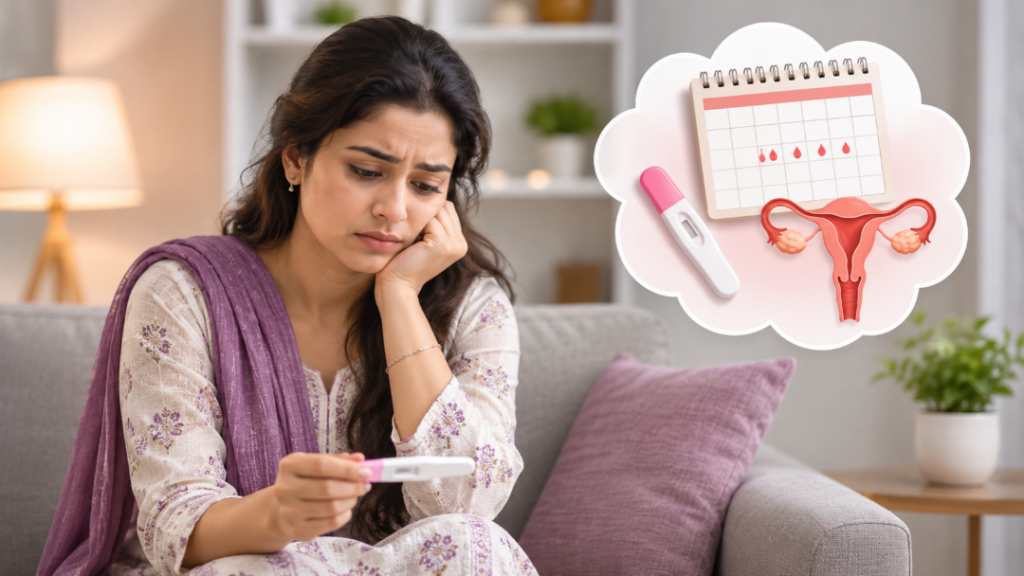
Have you ever noticed that your menstrual cycle keeps changing every month? Sometimes your period arrives earlier than expected, while other times it gets delayed by several weeks. You may also experience unusually heavy bleeding, spotting between periods or missed cycles without an obvious reason.
Occasional changes in menstrual cycles can be normal. However, persistent irregular periods may indicate hormonal imbalances or underlying medical conditions that require attention.
Your menstrual cycle is an important indicator of your reproductive health. Understanding changes in your periods, recognising warning signs and seeking timely medical advice can help prevent complications and support your overall well-being.
At Ashraya Multispeciality Hospital, Wakad, Pune, women can access gynecology consultations, diagnostic support and personalised medical guidance to understand and manage menstrual health concerns.
What Are Irregular Periods?
A menstrual cycle is counted from the first day of one period to the first day of the next. In adults, a typical menstrual cycle generally lasts between 21 and 35 days.
Periods may be considered irregular when they frequently occur outside this range, vary significantly in timing or involve unexpected changes in bleeding patterns.
Common signs of irregular periods include:
- Periods arriving earlier or later than expected.
- Missing periods for one or more months.
- Menstrual bleeding lasting longer than seven days.
- Unusually heavy or very light bleeding.
- Spotting or bleeding between periods.
- Significant changes in menstrual flow.
Menstrual patterns can naturally vary during adolescence, after childbirth and while approaching menopause. However, persistent or sudden changes should be discussed with a gynecologist.
What Causes Irregular Periods?
Several factors can affect the hormones responsible for regulating the menstrual cycle. Identifying the underlying cause is important for choosing the right treatment.
1. Polycystic Ovary Syndrome (PCOS)
PCOS is one of the common causes of irregular periods. It is a hormonal condition that can interfere with ovulation, resulting in delayed or missed menstrual cycles.
Other symptoms may include acne, excessive facial hair growth, weight changes and difficulty becoming pregnant.
2. Hormonal Imbalances
Hormones such as estrogen and progesterone play an important role in regulating menstruation. Changes in their levels can affect ovulation and menstrual timing.
3. Thyroid Disorders
Both an underactive and overactive thyroid can influence menstrual cycles. Women with thyroid problems may experience irregular periods, changes in menstrual flow and other symptoms such as fatigue or unexpected weight changes.
4. Stress and Lifestyle Changes
Physical and emotional stress can affect the hormonal signals that regulate ovulation. Sudden weight gain, significant weight loss, excessive exercise and inadequate nutrition may also contribute to menstrual irregularities.
5. Pregnancy and Breastfeeding
A missed period may be an early sign of pregnancy. Breastfeeding can also temporarily affect menstrual patterns due to hormonal changes.
6. Perimenopause
As women approach menopause, hormonal fluctuations can cause periods to become irregular. This transition commonly occurs during the 40s, although timing varies.
Other possible causes include certain medications, uncontrolled diabetes and conditions affecting the uterus or ovaries.
Symptoms You Should Never Ignore
Irregular periods may occur alongside other symptoms that indicate an underlying health concern.
Pay attention to the following warning signs:
- Very heavy menstrual bleeding requiring frequent pad changes.
- Severe menstrual cramps or pelvic pain.
- Bleeding between periods or after sexual intercourse.
- Periods lasting longer than seven days.
- Repeatedly missed menstrual cycles.
- Unusual tiredness, weakness or dizziness.
- Sudden weight changes or excessive facial hair growth.
Heavy menstrual bleeding can sometimes lead to anaemia due to iron deficiency.
If you experience very heavy bleeding accompanied by dizziness, fainting or severe weakness, seek urgent medical attention. Any possibility of pregnancy with bleeding or pelvic pain also requires prompt assessment.
When Should You Consult a Gynecologist?
You should consider consulting a gynecologist if your menstrual cycle becomes consistently irregular or if you notice unusual changes in your normal bleeding pattern.
Medical evaluation is particularly important if:
- Your periods frequently occur less than 21 days or more than 35 days apart.
- You miss three consecutive periods without an established explanation.
- Your bleeding becomes unusually heavy or prolonged.
- You experience severe pelvic pain.
- You notice repeated spotting between periods.
- You have symptoms associated with PCOS or thyroid disorders.
- You are experiencing difficulty conceiving.
If your periods were previously regular but suddenly become irregular, it is worth discussing the change with your doctor.
Early evaluation can help identify hormonal disorders, reproductive health conditions and other medical concerns.
How Are Irregular Periods Diagnosed?
At Ashraya Multispeciality Hospital, Wakad, Pune, the evaluation of menstrual irregularities begins with understanding your symptoms, menstrual history and overall health.
Your gynecologist may ask about the frequency of your periods, duration of bleeding, associated pain, lifestyle habits, medications and family medical history.
Depending on your symptoms, investigations may include:
Blood Tests: These may assess thyroid function, blood sugar, prolactin and selected hormone levels. A pregnancy test may also be recommended when appropriate.
Pelvic Ultrasound: This helps examine the uterus, ovaries and endometrial lining to identify possible abnormalities.
Blood Count and Iron Assessment: These may be recommended if heavy bleeding raises concerns about anaemia.
Additional Investigations: In selected cases, further examinations may be needed to investigate persistent abnormal bleeding or other reproductive health conditions.
Not every woman requires all these tests. Investigations are selected according to individual medical needs.
What Are the Treatment Options for Irregular Periods?
Treatment depends on the underlying cause, the severity of symptoms, age and reproductive goals.
Hormonal Treatment: Your gynecologist may recommend hormonal medicines, including certain contraceptive pills or progesterone-based treatments, to help regulate menstrual bleeding.
PCOS Management: Women with PCOS may benefit from lifestyle changes, weight management where appropriate and medication to address specific hormonal or metabolic concerns.
Thyroid Treatment: If a thyroid disorder is responsible for menstrual irregularities, appropriate treatment of the thyroid condition may help improve menstrual patterns.
Treatment for Heavy Bleeding: Depending on the cause, doctors may recommend medicines to reduce excessive bleeding or other suitable treatments.
Lifestyle Management: Balanced nutrition, regular exercise, adequate sleep and stress management can support hormonal and reproductive health.
The treatment plan should always be personalised. Avoid taking hormonal medication or using home remedies without medical advice.
8 Simple Tips to Maintain a Healthy Menstrual Cycle
Healthy everyday habits can support reproductive health and help you recognise menstrual changes early.
- Track Your Periods: Record the start date, duration and flow of every menstrual cycle.
- Eat a Balanced Diet: Include fruits, vegetables, whole grains, protein and iron-rich foods.
- Maintain a Healthy Weight: Significant weight fluctuations can affect hormonal balance.
- Exercise Regularly: Choose physical activities suitable for your fitness level.
- Manage Stress: Yoga, meditation and relaxation techniques may help support overall well-being.
- Get Enough Sleep: Maintain a consistent sleeping routine.
- Avoid Self-Medication: Consult your doctor before taking hormonal medicines or supplements.
- Attend Regular Check-Ups: Discuss persistent menstrual changes rather than ignoring them.
These habits cannot treat every underlying cause, but they can contribute to better overall health.
Why Choose Ashraya Multispeciality Hospital, Wakad, Pune?
Menstrual health concerns require careful evaluation because irregular periods can have several possible causes.
Ashraya Multispeciality Hospital, Wakad, Pune, provides women’s healthcare services with a focus on appropriate gynecological evaluation, diagnostic support and personalised treatment guidance.
The hospital aims to support women with:
- Gynecology consultations.
- Evaluation of irregular menstrual cycles.
- Assessment of PCOS and hormonal concerns.
- Diagnostic and ultrasound support.
- Management guidance for menstrual health problems.
- Preventive women’s healthcare and regular health assessments.
With a patient-focused approach, the hospital encourages women to understand their symptoms, receive appropriate medical guidance and make informed decisions about their reproductive health.
Conclusion: Listen to Your Body and Prioritise Your Health
Irregular periods are not always a sign of a serious medical problem. However, repeated changes in menstrual timing, unusually heavy bleeding or missed cycles should not be ignored.
Conditions such as PCOS, thyroid disorders and hormonal imbalances can affect menstrual health, but many of these concerns can be managed with appropriate diagnosis and treatment.
At Ashraya Multispeciality Hospital, Wakad, Pune, women can seek professional gynecological guidance to understand menstrual irregularities and receive care based on their individual needs.
Your Menstrual Health Matters. Recognise the Changes, Seek Timely Advice and Take a Step Towards Better Reproductive Health.
Recent Posts
-
 Post-Monsoon Respiratory Problems: How Seasonal Changes Affect Your Lung Health
-
 Post-Monsoon Cough and Chest Infections: When Does a Simple Cough Need Medical Attention?
-
 World Heart Day: Recognise the Warning Signs of Heart Problems Before They Become an Emergency
-
 Post-Monsoon Respiratory Infections: Why September Can Trigger Cough, Cold and Breathing Problems
-
 Menopause: Understanding Symptoms, Treatment and Ways to Improve Your Quality of Life