
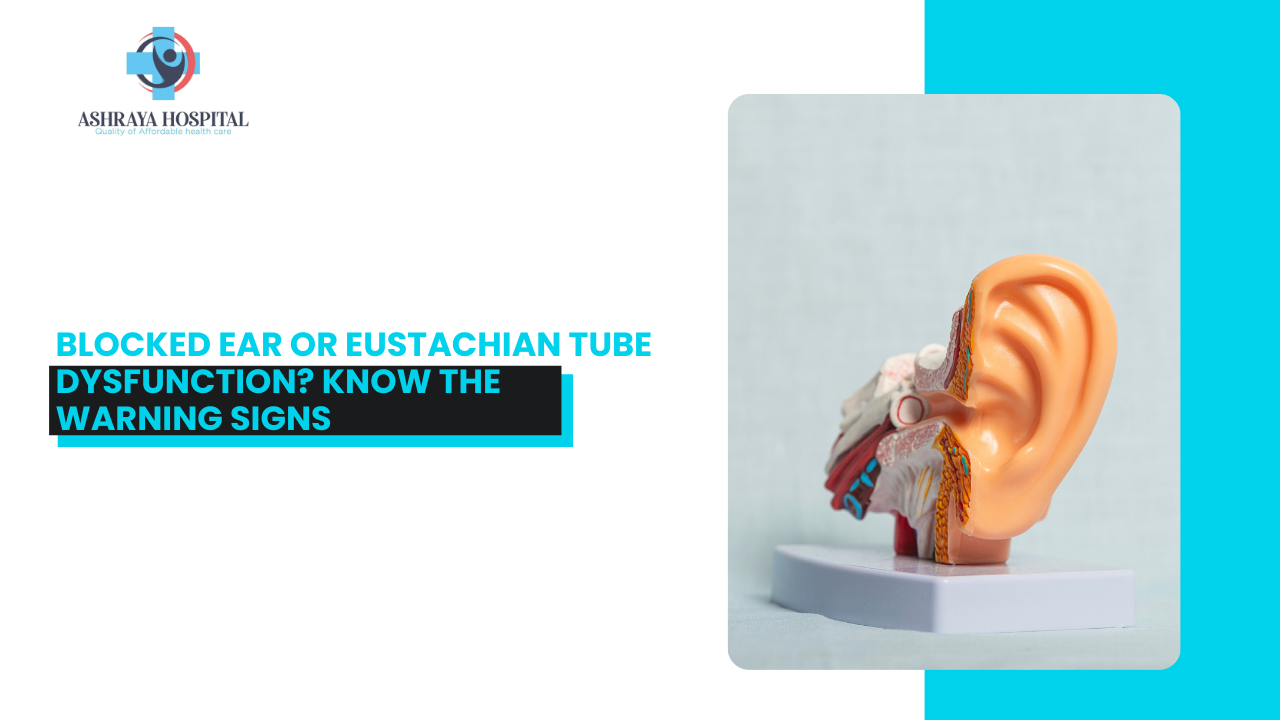



A blocked or "full" ear is something many people experience, especially after a cold or during allergy season. While it's easy to assume that earwax is responsible, persistent ear fullness may actually be caused by a condition known as Eustachian tube dysfunction (ETD).
Recognising eustachian tube dysfunction symptoms and understanding what may be causing them can help you seek timely treatment and prevent ongoing discomfort.
The eustachian tubes are narrow passages that connect the middle ear to the back of the nose and throat. Their primary role is to equalise air pressure on both sides of the eardrum and drain fluid from the middle ear.
Eustachian tube dysfunction occurs when these tubes become blocked or fail to open properly. As a result, pressure builds up inside the ear, leading to uncomfortable symptoms. ETD may affect one or both ears and can be temporary or persistent, depending on the underlying cause.
The symptoms of ETD can range from mild to bothersome and may interfere with hearing and daily activities.
Common eustachian tube dysfunction symptoms include:
Although these symptoms are usually not serious, certain signs require prompt medical evaluation. Sudden hearing loss, severe ear pain, significant dizziness, or symptoms accompanied by fever may indicate a different ear condition that needs immediate attention.
There are several causes of eustachian tube dysfunction, most of which involve inflammation or blockage around the eustachian tubes.
Some of the most common causes include:
Identifying the underlying cause is important because treatment depends on what is triggering the dysfunction.
Many people wonder how long eustachian tube dysfunction lasts. The answer depends on the underlying cause.
If ETD develops following a viral illness, symptoms often improve within a few days to a few weeks as the inflammation settles. When allergies are responsible, symptoms may continue as long as the allergen exposure persists.
However, if symptoms last beyond a few weeks, recur frequently, or continue to worsen, it is important to seek medical evaluation to identify the cause and determine the most appropriate treatment.
A common question patients ask is, can eustachian tube dysfunction go away on its own? In many mild cases, the answer is yes.
As swelling caused by a cold or seasonal allergies improves, the eustachian tubes often begin functioning normally again. Staying well hydrated, managing allergies, and following your healthcare provider's advice may help relieve symptoms.
However, persistent, worsening, or recurring symptoms should not be ignored, as they may require assessment by an ENT specialist.
You should consult an ENT specialist if you experience:
An accurate diagnosis can help rule out other ear conditions and ensure you receive appropriate treatment before complications develop.
Persistent ear fullness is not always caused by earwax. In many cases, it may be the result of eustachian tube dysfunction. Recognising the symptoms early and understanding the possible causes can help you seek the right care and avoid prolonged discomfort. If your symptoms do not improve or continue to recur, an evaluation by an ENT specialist is recommended.
If you've been experiencing a blocked ear after a cold, muffled hearing, or recurring ear pressure that doesn't improve, it's time to seek expert care.
At Ashraya Multispeciality Hospital, our ENT specialists diagnose and treat eustachian tube dysfunction and other ear conditions using a personalised approach. Schedule your consultation today and take the first step toward lasting relief.